
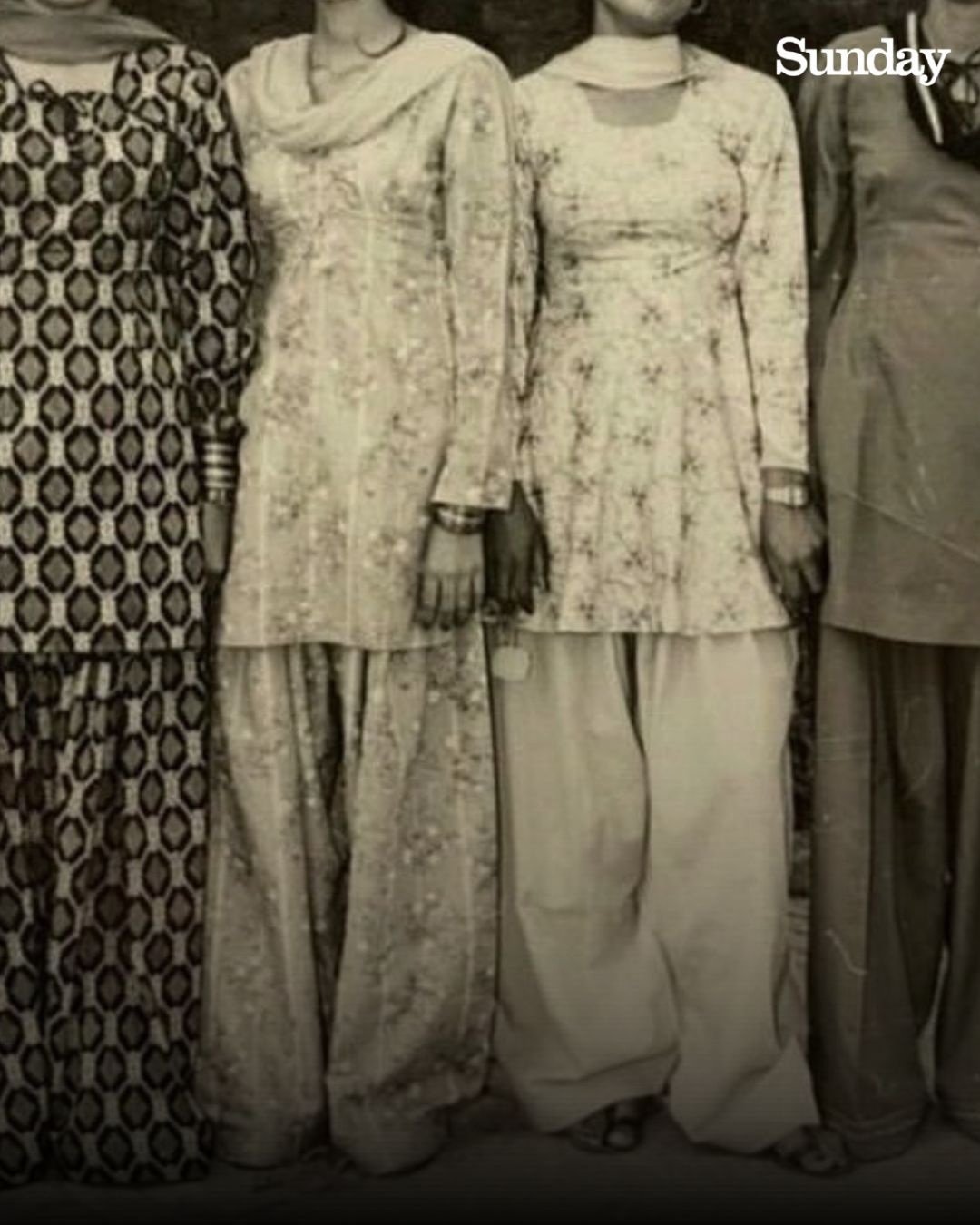
Fashion is often shaped by history, and the farshi shalwar is a perfect example of that timeless connection. Originating from the Mughal era, this flowing silhouette once symbolized elegance, status, and royal grace. Today, it is making a quiet comeback, blending heritage with modern fashion in a fresh and stylish way.Origin: A Royal BeginningThe farshi shalwar traces its roots back to the grandeur of the Mughal era, a time when fashion was deeply connected to royalty and cultural identity. It was commonly worn by noblewomen in royal courts, where clothing wasn’t just practical but also symbolic of status and refinement. This refers to the long, trailing fabric of the shalwar that would gracefully sweep the ground as the wearer moved. Unlike modern silhouettes designed for ease, this style embraced volume, drama, and presence.Symbolism: More Than Just FabricThe farshi shalwar was never just about appearance it was a statement. In royal settings, fashion was a language of power, and this garment spoke of luxury, grace, and high social standing.The longer and more elaborate the trail, the greater the prestige it represented. It symbolized a life of elegance, where movement was slow, composed, and intentional. It wasn’t just worn it was presented.Craft & Detail: Art in MotionEach farshi shalwar was a masterpiece in itself. Traditionally paired with heavily embroidered kurtas and dupattas, it reflected the finest craftsmanship of its time.Fabrics like silk, jamawar, and brocade were commonly used, chosen not only for their richness but also for how they draped and flowed. Intricate hand embroidery, detailed patterns, and luxurious textures made every outfit unique. It wasn’t fast fashion it was wearable art, created with patience and skill.Disappearance & Return: A Forgotten ClassicAs lifestyles changed and practicality became more important, the farshi shalwar slowly disappeared from everyday wear. Modern silhouettes favored simplicity, comfort, and ease of movement, leaving behind the grandeur of older styles.But fashion is never truly forgotten it only evolves. In recent years, the farshi shalwar has started to reappear, especially in festive and bridal fashion. Designers are revisiting heritage silhouettes, bringing back the elegance of the past with a modern understanding of wearability.Modern Take: Heritage ReimaginedToday, the farshi shalwar is being reinterpreted for contemporary fashion. While it still carries its signature flow and drama, modern versions are more structured, lighter, and easier to style.
See Also
Designers are blending traditional embroidery with minimalist cuts, allowing the garment to fit into today’s wardrobes without losing its identity. It represents a perfect fusion of past and present heritage meeting modern expression.
Source link
Leave a Reply